The AI Playbook (Part 7): The Solution (Part 2) — The 'Monitor' Pillar

Table of Contents
- Introduction: Solving the "Post-Market Monitoring" Mandate
- The "Three-Headed Dragon" of Model Failure
- How the "Monitor" Module Solves This
- From Reactive "Damage Control" to Proactive "Risk Prevention"
- Conclusion
Introduction: Solving the "Post-Market Monitoring" Mandate
In Part 2, we identified the EU AI Act's "Post-Market Monitoring" (PMM) requirement as the "killer" mandate—the one that makes manual compliance impossible.
In Part 5, we defined "model drift" as the silent "shadow risk" that accumulates after a model is deployed, exposing you to massive liability.
Now, we introduce the direct, operational solution to this legal and technical crisis: the "Monitor" pillar.
A model is a live, dynamic asset. A "fair" model at launch can become discriminatory in production. Continuous monitoring is not a "nice to have"; it is a non-negotiable legal and operational requirement.
The "Three-Headed Dragon" of Model Failure
An AI model in production can fail in three distinct ways. You must be monitoring for all three, 24/7.
1. Performance Drift
The model's predictions simply get worse. Its accuracy "degrades" or "decreases". Your fraud model starts missing fraud. Your sales forecaster becomes unreliable. This is a direct hit to your ROI.
2. Data Drift
This is the cause of performance drift. The live, real-world data coming into the model no longer looks like the static training data it learned from. "New variations, new patterns, new trends" emerge that the model was never trained to handle.
3. Bias & Fairness Drift
This is the most toxic and legally dangerous. The model "drifts" into discriminatory behavior, even if it was "fair" at launch. This is the "shadow risk" materializing in real-time. You must "monitor bias drift" to "remain vigilant against bias, discrimination, and other problems".
How the "Monitor" Module Solves This
You cannot ask a human analyst to watch thousands of models 24/7. You need an automated watchdog.
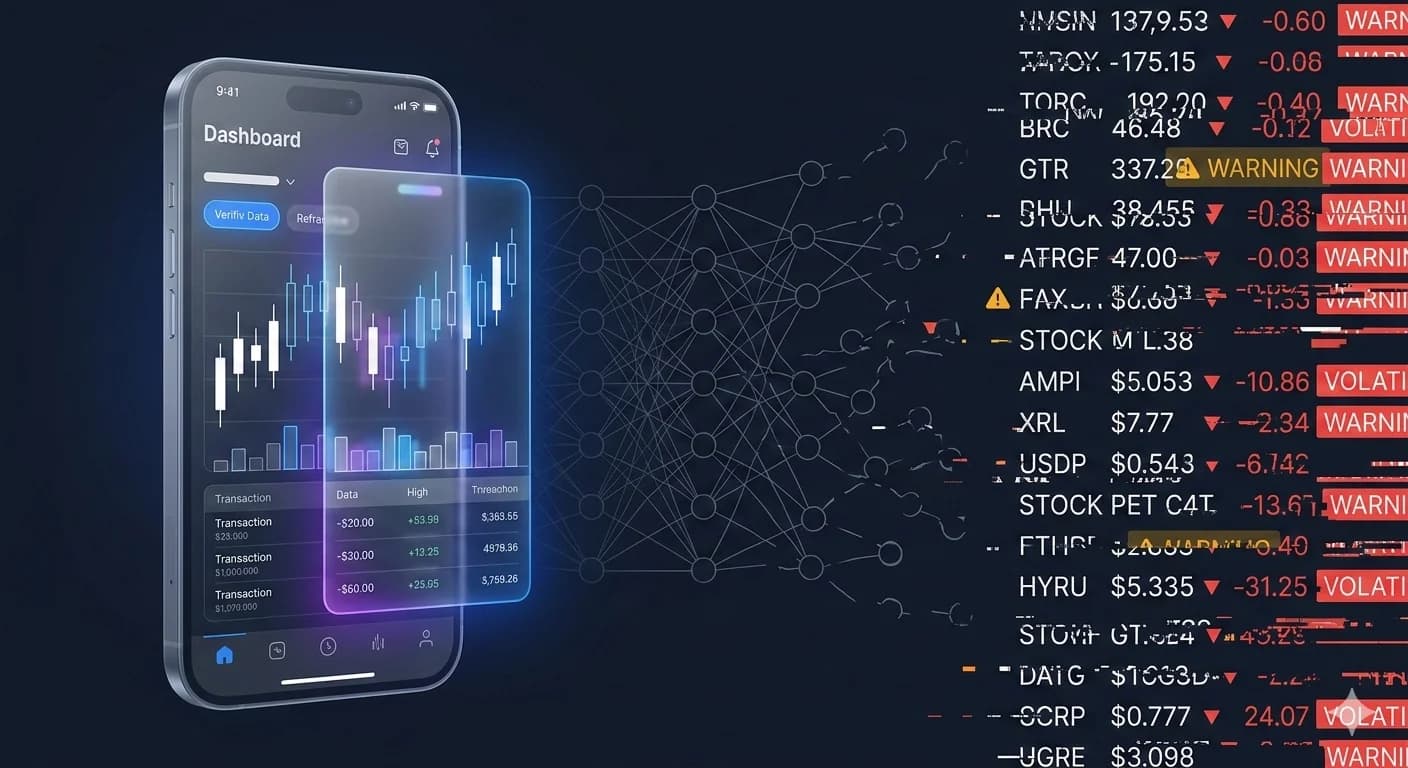
This is what the "Monitor" pillar is. A platform "integrates with existing model registries and MLOps tooling" to watch your live models. It "continually evaluate[s] models and training data for drift, bias, fairness, accuracy, and quality".
The most critical function is the alert system. The platform "automatically detect[s] when a model's accuracy decreases" below a preset threshold. It then provides "in-app alerts" and "automated alerts for data drift" that notify your compliance and technical teams before the problem becomes a crisis.
From Reactive "Damage Control" to Proactive "Risk Prevention"
This automated monitoring system fundamentally changes the job of a Chief Risk Officer.
Your old governance model (Part 5) is "damage control." An auditor finds a biased model after it has discriminated against thousands of people. Fines are paid. Lawsuits are filed. Your brand is damaged.
The "Monitor" pillar transforms your posture from reactive to proactive. It turns your risk management function from a "fire inspector sifting through ashes" into a "smoke detector."
Your compliance team gets an alert the moment a model's bias score begins to drift toward a non-compliant threshold. The model can be automatically flagged for review before it causes systemic harm.
For a CRO, this is revolutionary. You can't fix a problem you can't see. The "Monitor" pillar lets you see—and fix—compliance breaks in real-time.
Conclusion
Continuous monitoring turns compliance from a guessing game into a measurable science. It is the only practical, scalable, and legally defensible way to satisfy the "Post-Market Monitoring" demands of the EU AI Act.
This pillar protects you from accidental failures. But what about intentional attacks? Generative AI has created an entirely new threat landscape.
Next in Part 8: The "Secure" Pillar, we'll cover how to protect against prompt injection and data leakage.